Notion
Bringing Notion's World to Japan
-
company
Notion
-
services
Community Marketing Strategy, Experience Design, Spatial Concept Development

Context
In 2022, Notion held its first two events in Japan as part of a broader shift to build a local presence in the region. Prior to this, growth in Japan had been entirely organic with no local team on the ground. Notion was now hiring locally and building toward enterprise adoption.
These two events, one in Tokyo and one in Kyoto, were designed to support that transition. The Tokyo event focused on introducing Notion's product and brand to Japanese business leaders to create enterprise opportunities. The Kyoto event was focused on the existing community: celebrating their support, sharing Notion's commitment to Japan, and activating them to build continued momentum.
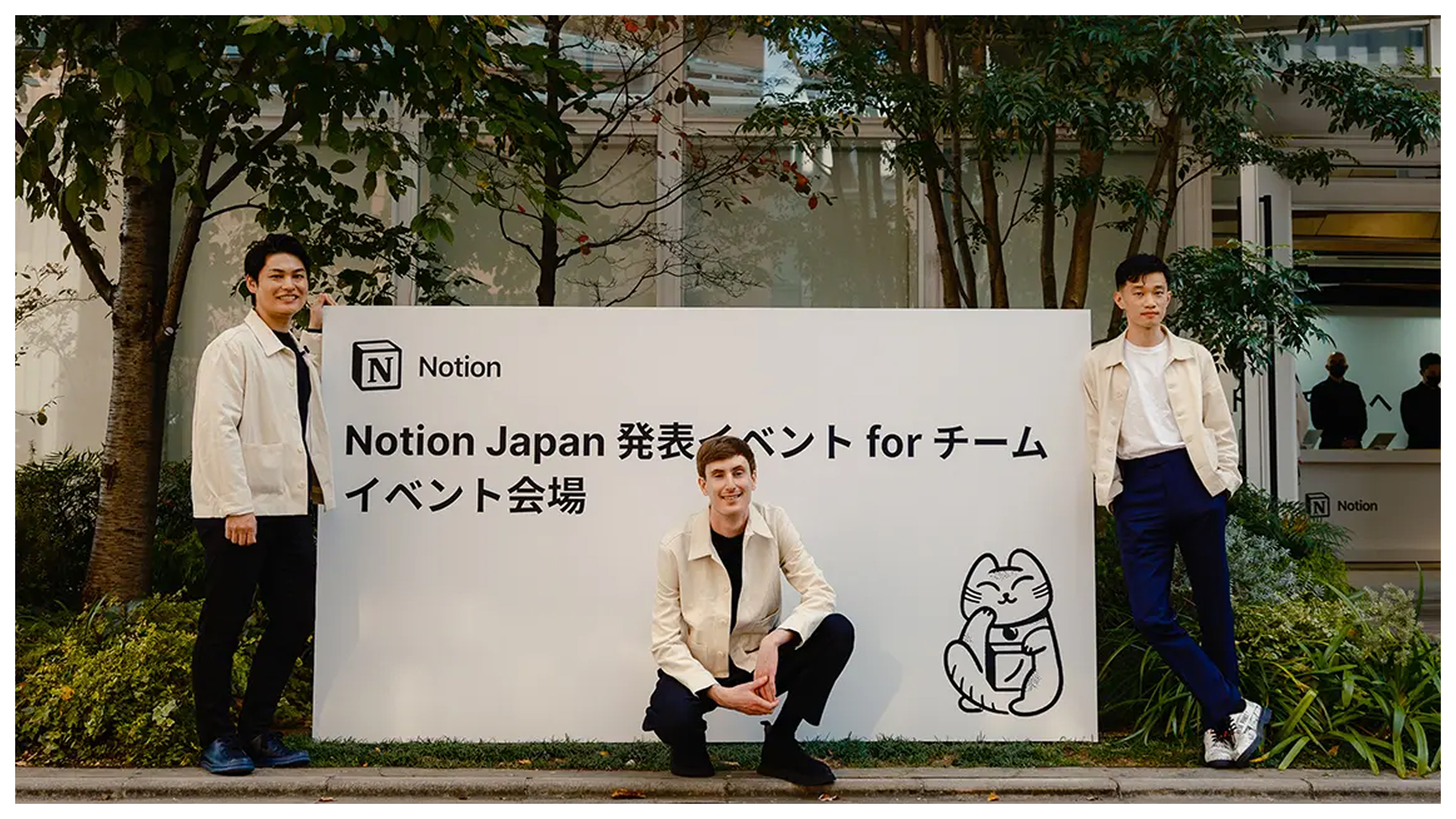
Both events were attended by Notion co-founders Ivan Zhao and Simon Last, alongside US-based team members and new Japanese hires.
The Challenge
I started by working with the Notion team to identify their goals, then mapped the gaps between their current position and what those goals required. Three key challenges emerged.
Translating a 2D brand into a 3D space. Notion has a strong and consistent brand, but all of its existing expressions live on-screen. There was no established framework for how the brand should feel in a physical event environment.
Localizing the brand for Japan. Adapting a global brand for a Japanese audience requires more than translation. It requires an understanding of local aesthetics, cultural context, and how to apply the brand with intent so it feels considered rather than transplanted.
Designing experiences that achieve distinct business goals. The two events had different audiences and different purposes. The experience design needed to be tailored accordingly.
The Strategic Approach
My starting point was an observation about what makes Notion's brand compelling. Notion's product has a large and loyal fan base, and that loyalty isn't purely functional. Notion has built a distinctive world around its product through illustration, copy, and aesthetic choices that give the brand a strong personality. This is what turns users into advocates.
If that world could be brought into a physical space, it could work in both directions: introduce new audiences to the brand in an immersive way, and give existing community members an experience that felt built specifically for them.
The hypothesis: if I could codify the elements that define Notion's brand vibe, I could recreate that experience in any space.
The Research and Framework Development
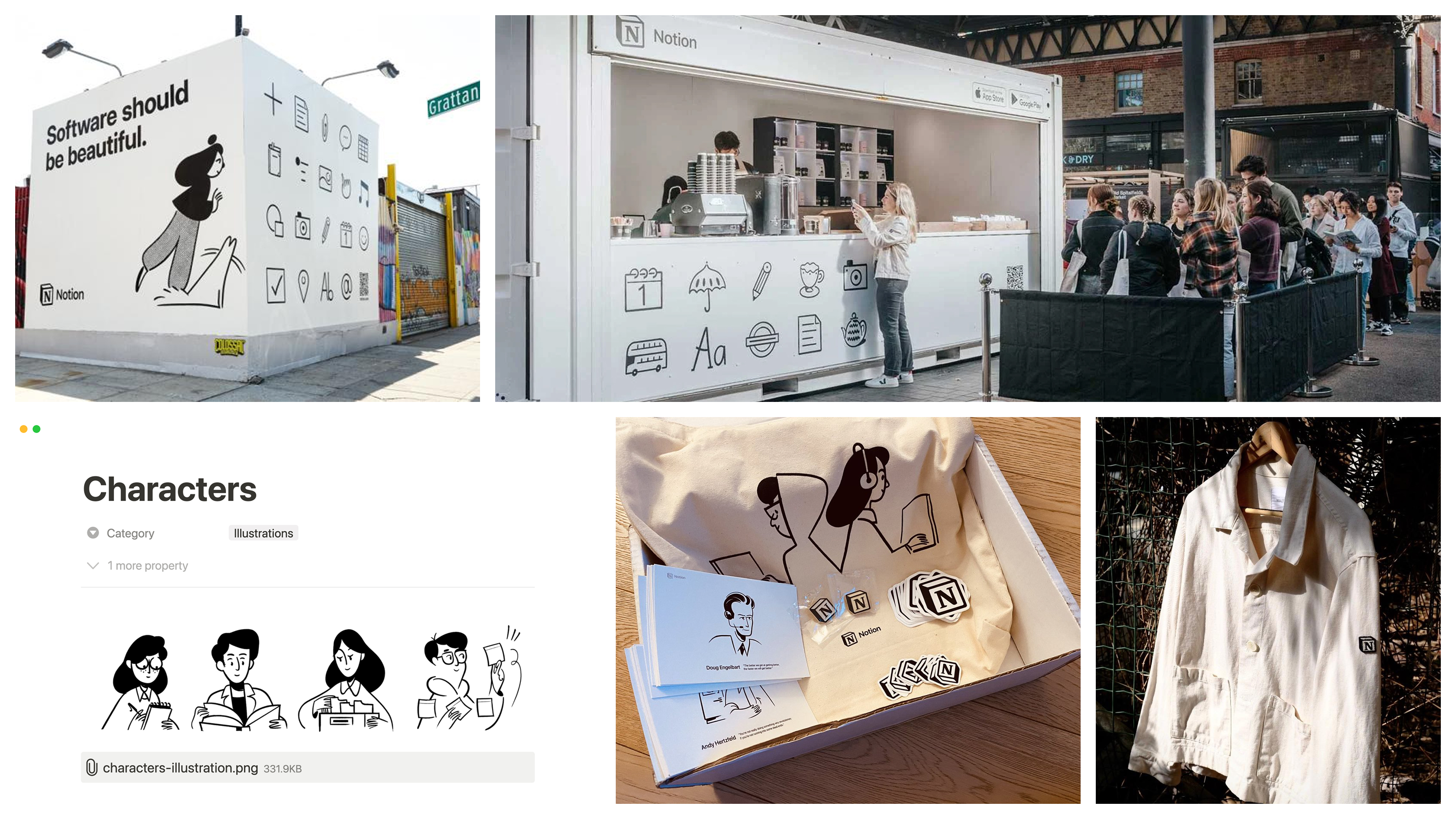
I began by documenting Notion's brand across every surface it occupied: web, billboards, murals, pop-up events, swag, and packaging. The goal was to identify not just the visual aesthetics but the underlying principles that made them coherent.
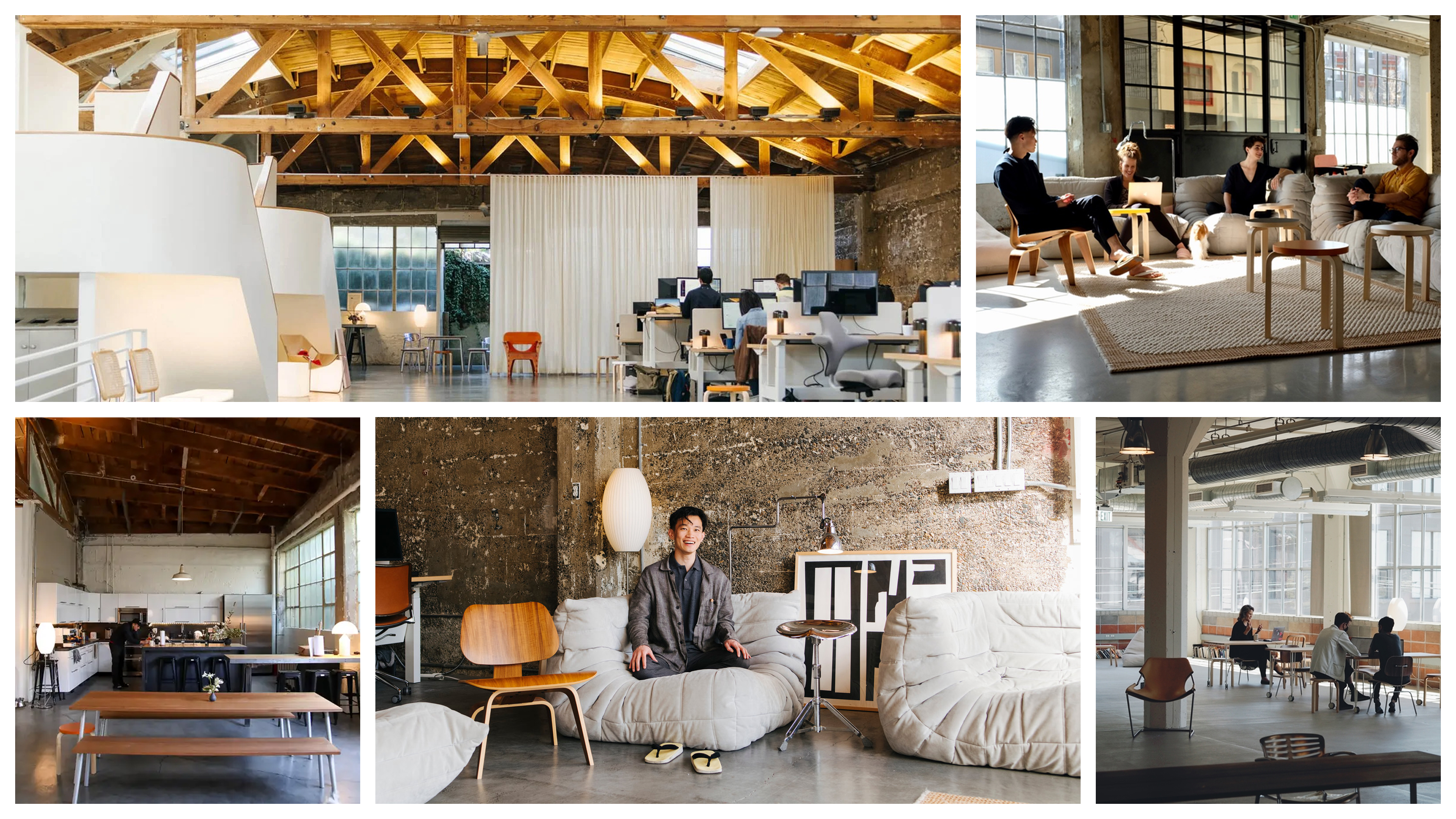
One research angle that proved especially useful was studying Notion's own office spaces. Their offices, though never publicly positioned as a brand surface, are consistent with everything else: the color palette, the furniture choices, the spatial layout, the overall atmosphere. I used this as a primary reference for how the brand should translate into a physical event environment.
From this research I developed a framework defining the core aesthetic: white, off-white, beige, brown, and black. Minimal and utilitarian, but with warmth. I translated this into moodboards and presented them to Notion's brand and marketing team for alignment before moving into concept development.
Tokyo
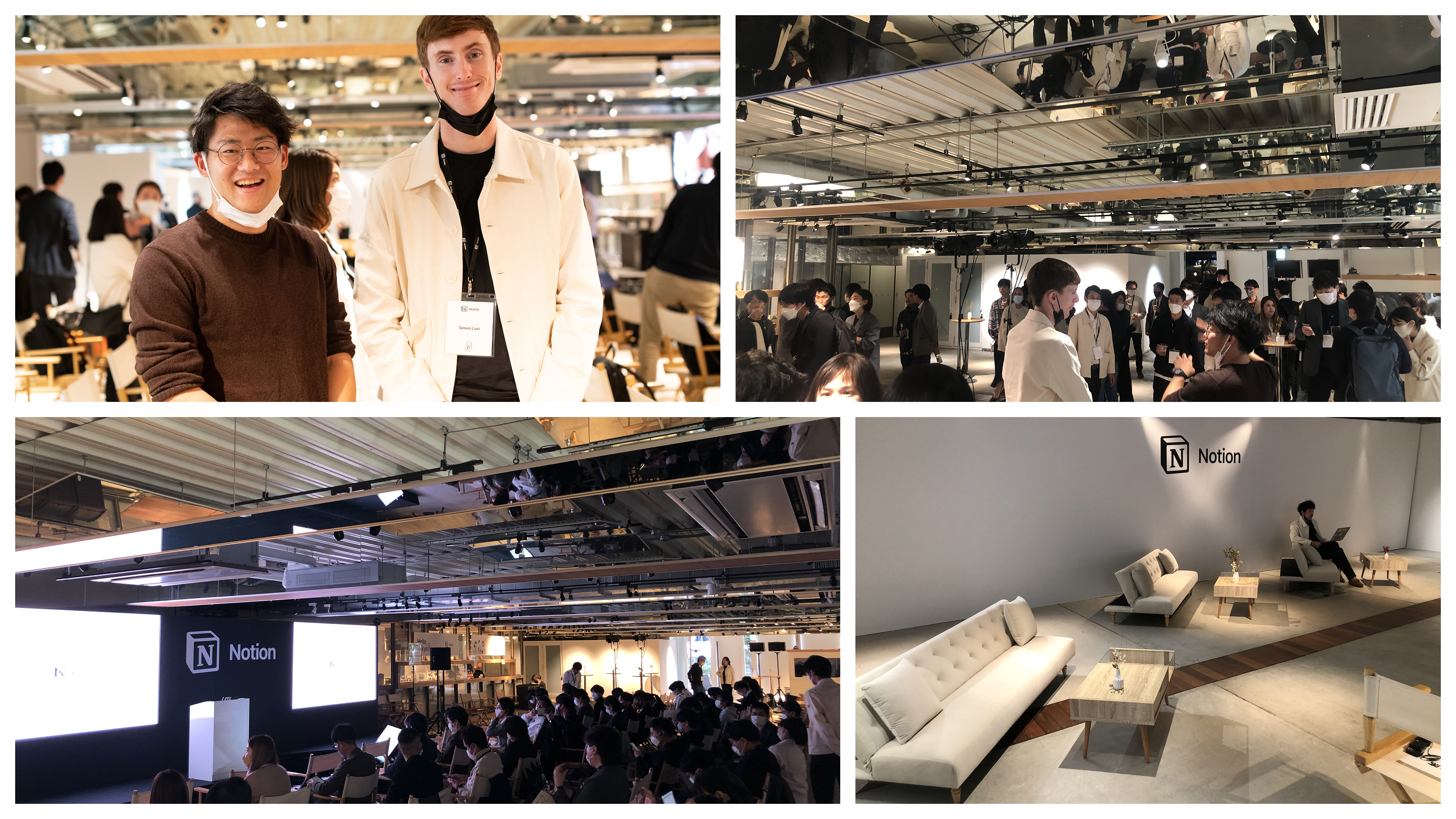
Venue: What Cafe, selected for its industrial warehouse aesthetic: concrete floors, open layout, neutral surfaces.
The primary challenge for Tokyo: Most attendees would be encountering Notion for the first time. They needed to understand what the product and brand were about before the event experience could be meaningful.
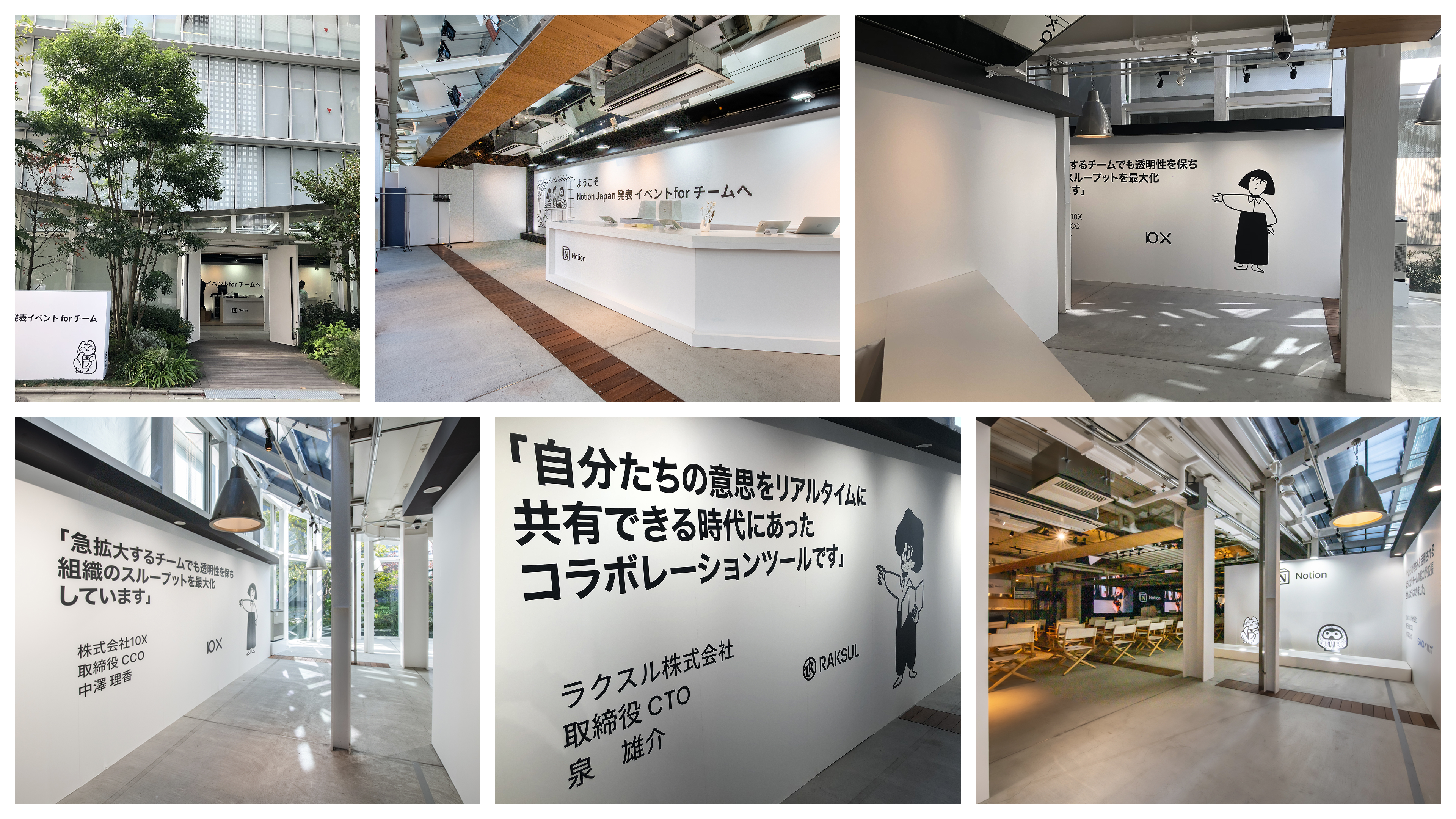
The solution: I designed the arrival as a physical onboarding sequence. Rather than opening directly into the main event space, guests were directed through a corridor where the walls carried the story of Notion in words and illustrations. By the time they entered the main room, they had the context to appreciate what they were walking into. The effect was similar to a museum exhibition, where visitors receive background before entering the main exhibit.
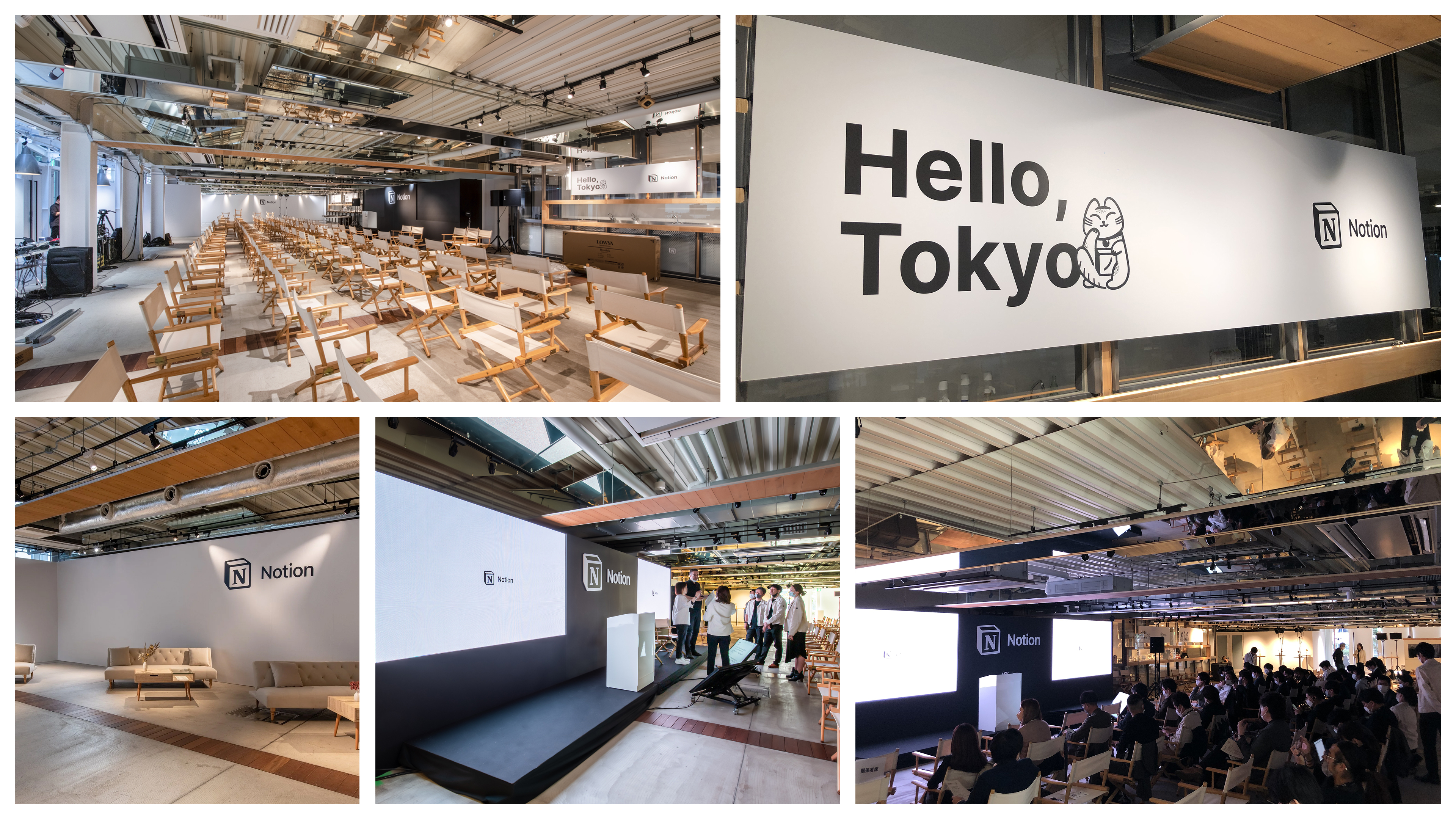
Inside the main space: All furniture and decor choices were made against the established framework. Director chairs in canvas and natural wood were chosen in part because similar chairs appeared in reference images from Notion's own offices. Japan-specific illustrations were developed by the brand team to make the experience locally relevant.
The spatial layout: Rather than standard theater seating, the room included a mix of huddle configurations: low couches, coffee tables, and standing tables. The goal was to create conditions for conversation, since generating sales opportunities through on-site meetings was a key goal for the Notion Japan team.
Kyoto
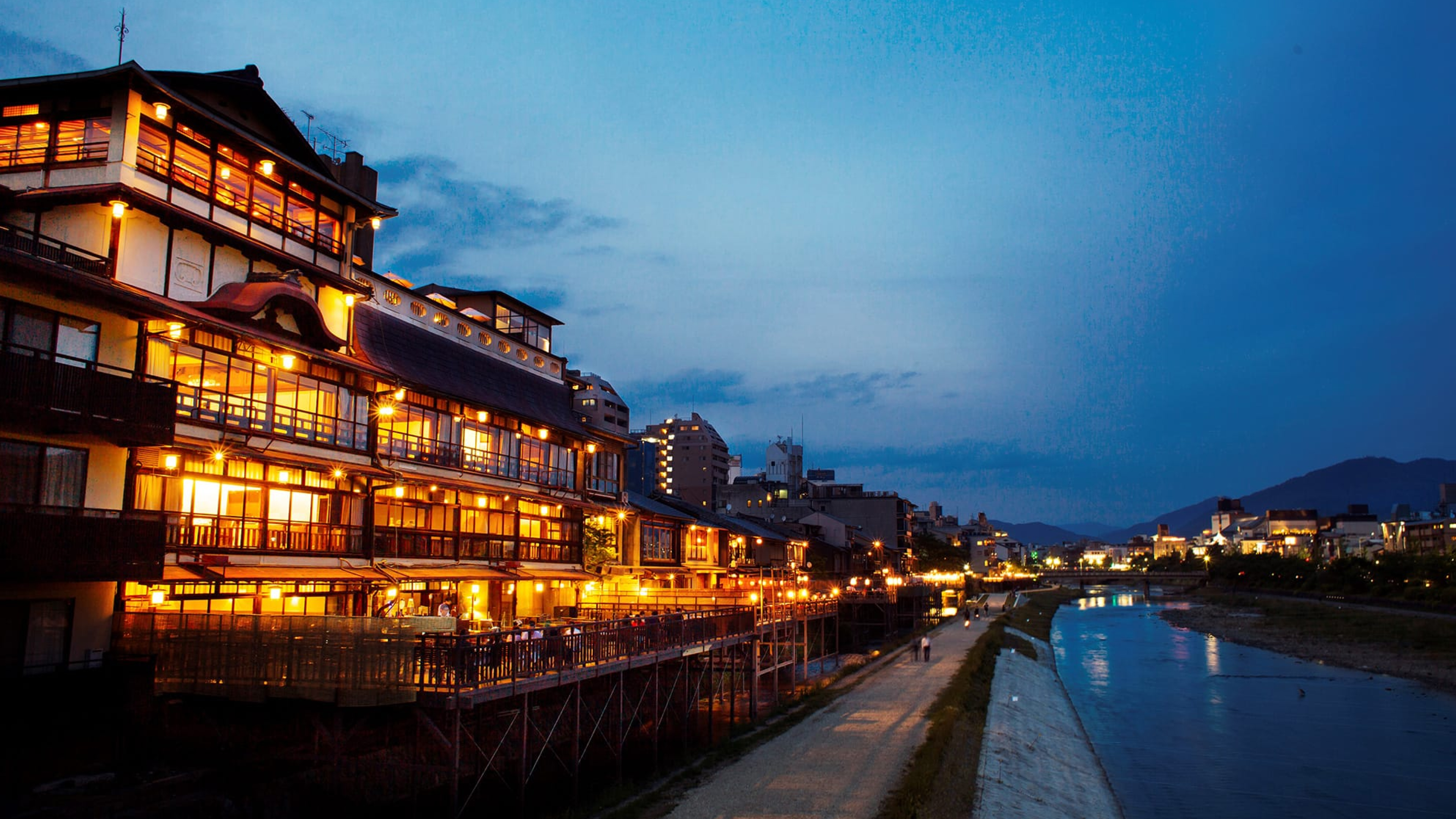
Venue: Funatsuru Kyoto Kamogawa Resort, a protected cultural heritage site on the Kamo River.
The constraint: Because Funatsuru is a heritage-designated property, building or installing structures was not permitted. This shaped the entire design approach for the event.
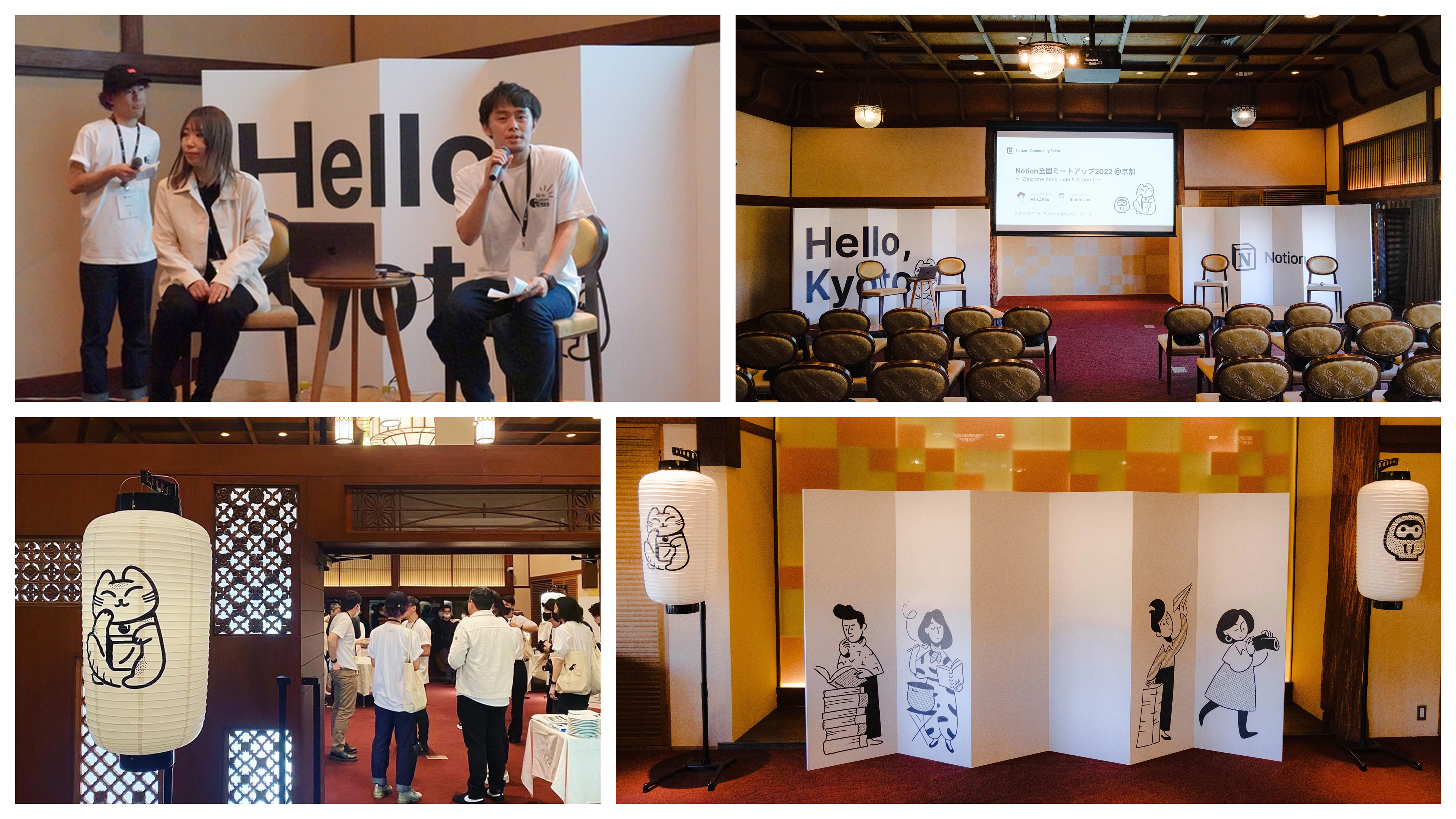
The solution: Rather than treating this as a limitation, I used it as a creative direction. Kyoto is closely associated with traditional Japanese aesthetics, and many international brands with a presence in the city, including Leica and Hermès, adapt their Kyoto spaces to reflect the local environment. I made the case to the Notion team to take the same approach: rather than imposing Notion's global brand onto the space, we would integrate the brand into the existing aesthetic.
In practice: This meant using traditional Japanese objects as brand surfaces. Paper lanterns and folding screens were placed in key locations carrying the Notion mark and Japan-specific illustrations. Notion's illustration style is minimal enough that these elements integrated naturally without visual conflict. The brand team developed a range of Japan-specific visuals to make the Kyoto experience feel distinct.
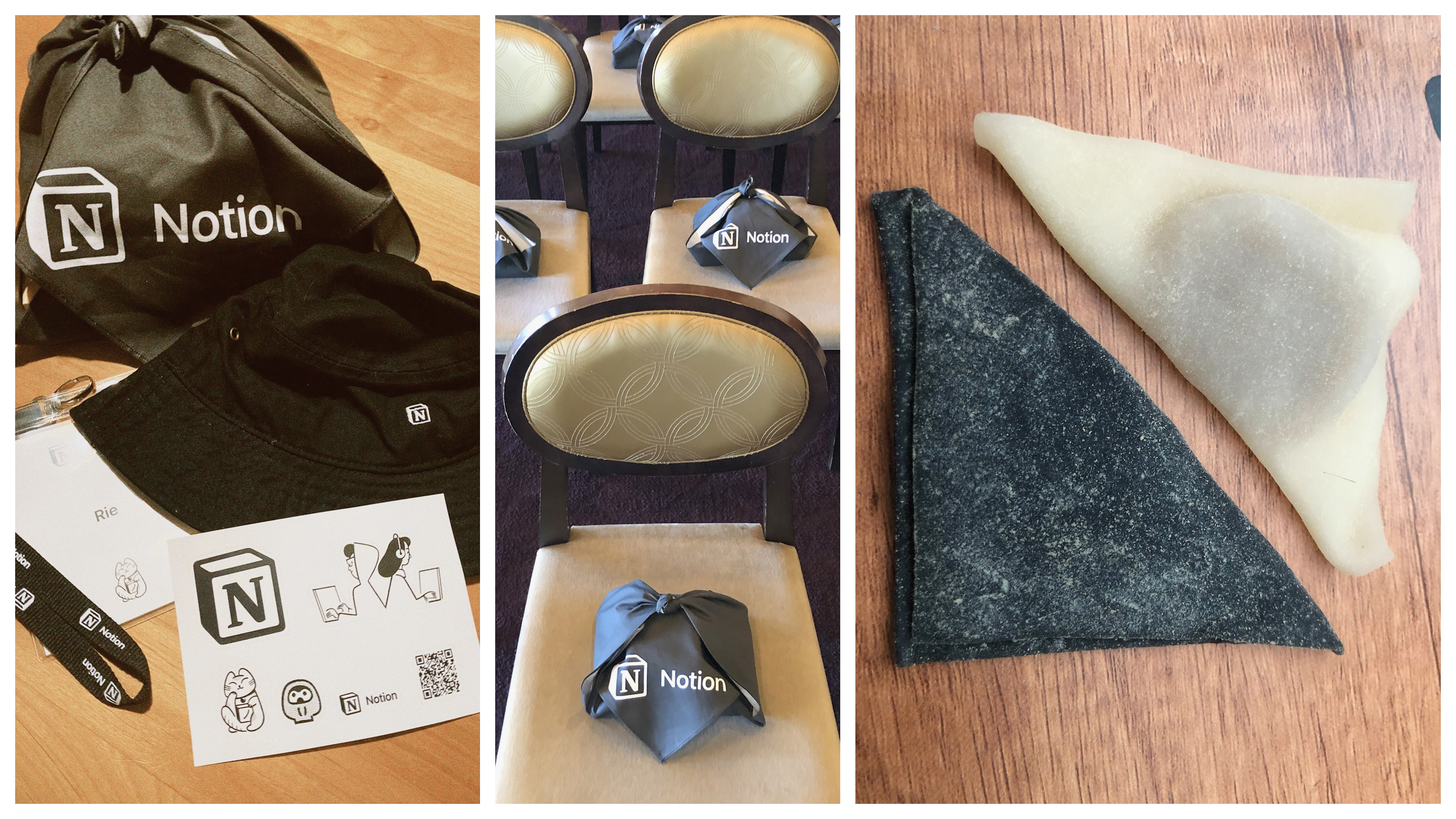
The Kyoto swag: The Kyoto swag was developed with the same logic. Rather than the standard Notion tote bag, attendees received a furoshiki: a traditional Japanese cloth used for wrapping and carrying items. The furoshiki was produced in black and white to match Notion's palette, with the Notion logo on one side. Inside was a Japan-specific sticker set and yatsuhashi, a traditional Kyoto confection that happens to be black and white, aligning with the brand palette without modification.
The goal: Each element was selected because it was appropriate to Kyoto and consistent with the Notion brand. The goal was for the Kyoto experience to feel like a Japan-specific edition of Notion rather than a standard event with local touches.
Results
Both events landed. The Tokyo event was attended by Ivan and Simon alongside the US team and Notion Japan's new local hires. The response from everyone, internal team and guests, was that the experience felt genuinely like Notion. Not like an event that used Notion's logo. Like an event that understood what Notion was.
The Kyoto event gave the community a moment that was theirs. A brand experience that acknowledged where they were, culturally and geographically, and made something specific for them.
The broader result: two events designed for entirely different audiences, running the same underlying logic. Bring the world of Notion to life. Let the experience do the converting.